
Sustainability is no longer just a buzzword in Singaporean homes. It shapes purchasing decisions for everything from kitchen appliances to interior furnishings, including window treatments. For environmentally conscious homeowners, blinds offer an exciting opportunity to merge style, functionality, and eco-friendliness. Choosing eco-friendly blinds not only reduces environmental impact but also enhances indoor air quality and long-term energy efficiency. In Singapore’s dense urban landscape, where green living meets sleek modern design, sustainable blinds are becoming a must-have feature for those seeking a beautiful yet responsible home.
Why Eco-Friendly Blinds Matter in Singapore
Singapore’s commitment to sustainability is evident in policies like the Green Mark Certification Scheme and initiatives promoting energy efficiency in residential spaces. With temperatures consistently high throughout the year, window treatments play a crucial role in regulating indoor climates. Eco-friendly blinds go beyond mere decoration; they help reduce energy consumption by providing natural insulation, lowering the need for air conditioning and contributing to a smaller carbon footprint.
In addition, eco-conscious materials and manufacturing processes minimize chemical emissions, promoting healthier indoor environments. In high-rise living where ventilation may be limited, choosing non-toxic, sustainable blinds becomes even more important for overall well-being.

Popular Eco-Friendly Materials for Blinds
The market for green building materials has expanded rapidly, and blinds are no exception. Several sustainable materials now offer homeowners a range of stylish, durable options that align with eco-friendly values.
Bamboo remains one of the top choices for sustainable blinds. As one of the fastest-growing plants on Earth, bamboo can be harvested with minimal environmental impact. Bamboo blinds bring a natural warmth and texture to interiors, complementing both modern and rustic aesthetics. In Singaporean homes, they fit particularly well with tropical or minimalist design themes.
Recycled fabrics are another popular material in eco-conscious blinds. Made from repurposed PET plastics or post-consumer textiles, these fabrics provide the same durability and design flexibility as traditional options, without contributing to landfill waste. Roller and Roman blinds crafted from recycled fibers allow homeowners to enjoy sleek, contemporary styles while supporting circular economy principles.
Organic cotton and hemp are emerging as sustainable fabric options for Roman and roller blinds. Grown without synthetic pesticides or fertilizers, these materials ensure a lower ecological footprint and are biodegradable at the end of their life cycle.
PVC-free solar shades offer a greener alternative to traditional synthetic options. By eliminating harmful chemicals like phthalates and heavy metals, these shades support healthier indoor air while still providing UV protection and energy efficiency.
Stylish Eco-Friendly Blind Types for Singapore Homes
Eco-friendly blinds are available in a variety of styles to match any design preference while maximizing environmental benefits.
Roller blinds made with recycled polyester or organic fabrics are ideal for minimalist or contemporary interiors. Their clean lines and wide range of color choices allow them to blend seamlessly into most décor styles. Singaporean homeowners particularly favor light-filtering roller blinds for their ability to maintain privacy without sacrificing daylight, reducing the need for artificial lighting during the day.
Roman blinds using sustainable fabrics like hemp or organic cotton bring a soft, tailored look to living rooms, bedrooms, and study spaces. Their gentle folds add visual interest without the weight or opulence of traditional drapery, fitting neatly into compact spaces often found in HDBs and condominiums.
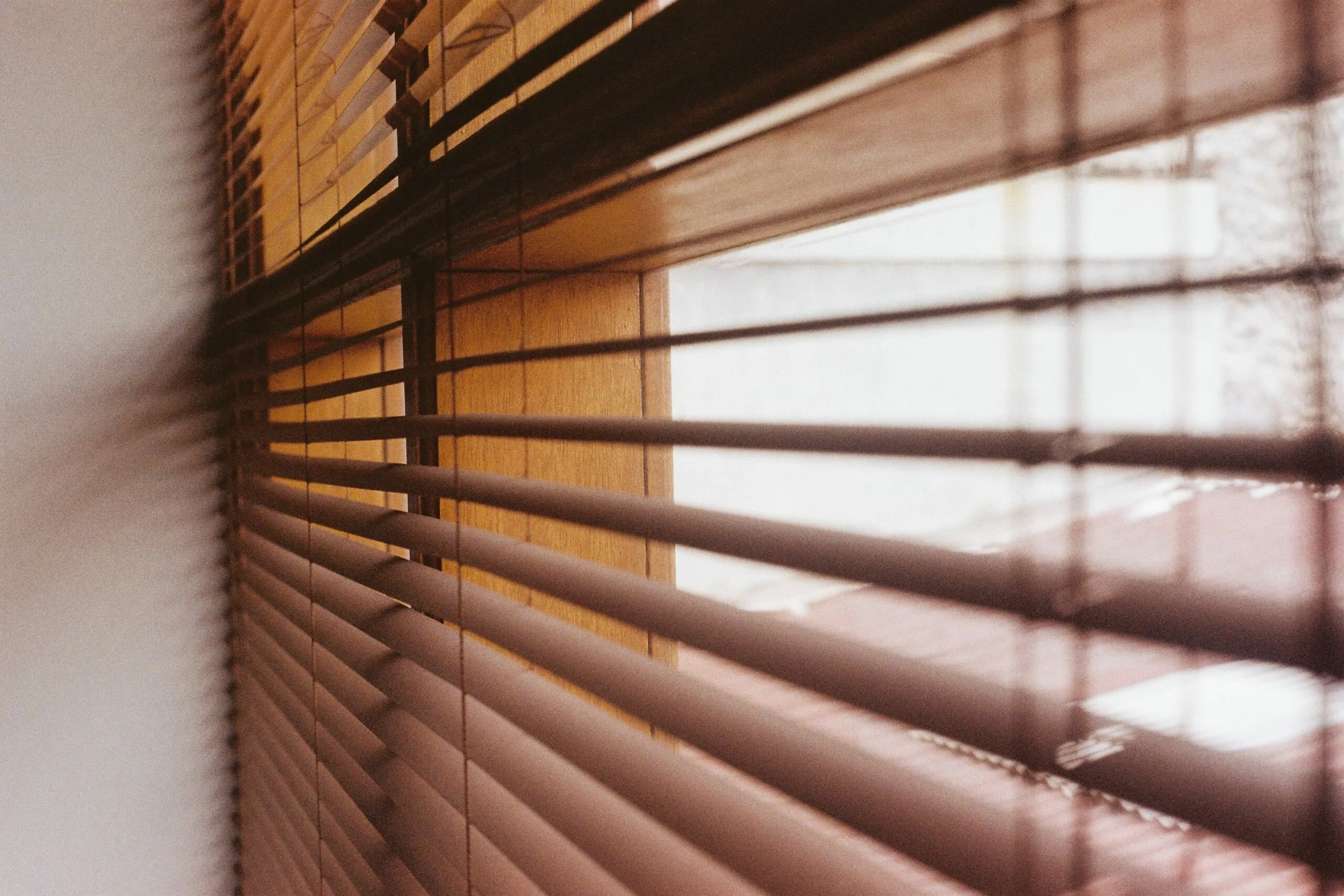
Bamboo Venetian blinds create a textured, natural feel that complements tropical-modern interiors. Their slatted design provides excellent light control, and the organic material helps regulate indoor temperatures by filtering sunlight naturally. In landed homes, bamboo Venetians add charm to garden-facing windows, merging indoor and outdoor spaces beautifully.
Vertical blinds made from recycled materials offer another sustainable choice, particularly for larger windows or sliding doors. Their ability to manage Singapore’s strong sun while reducing glare and heat gain is a major plus in homes that prioritize energy efficiency.
How Eco-Friendly Blinds Enhance Energy Efficiency
Energy conservation is a key concern for Singaporean homeowners, especially given the rising costs associated with constant air conditioning. Eco-friendly blinds, particularly those designed with thermal insulation properties, help regulate indoor temperatures by blocking excessive heat during the day and retaining cool air.
Solar shades made from PVC-free, recycled materials are engineered to minimize solar heat gain without completely sacrificing outdoor views. This balance reduces dependency on air conditioning and lowers overall energy bills, contributing to both financial savings and environmental stewardship.
Layering strategies—such as combining eco-friendly roller blinds with sheer drapes—allow for further control over light and heat. By adjusting window treatments throughout the day, homeowners can harness natural light when it is beneficial and block it when it becomes overpowering.
Certifications to Look For When Choosing Sustainable Blinds
For homeowners serious about selecting genuinely eco-friendly blinds, certifications provide an important benchmark for evaluating products.
The OEKO-TEX® Standard 100 certification ensures that textiles are free from harmful substances and safe for human use. Blinds carrying this label are tested for over 100 chemicals and represent a commitment to health and environmental responsibility.
The GREENGUARD Gold Certification focuses on low chemical emissions. Products bearing this mark contribute to healthier indoor air quality, which is critical in Singapore’s tightly sealed residential environments.
The Forest Stewardship Council (FSC) certification applies to wood and bamboo products, verifying that materials are sourced from responsibly managed forests. Blinds made from FSC-certified bamboo or wood offer peace of mind that they support sustainable forestry practices.
Choosing blinds from brands that transparently share their sustainability initiatives and certifications further ensures that your purchase aligns with broader environmental goals.
Where to Find Eco-Friendly Blinds in Singapore
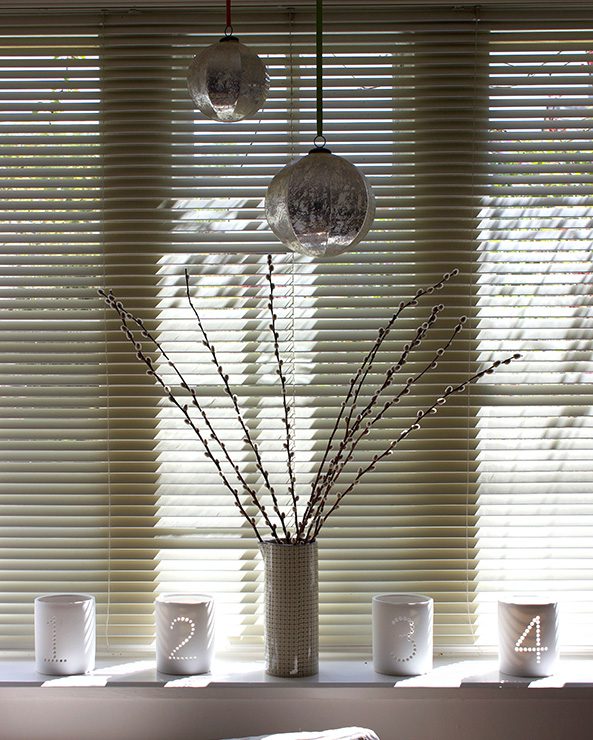
As sustainable living gains momentum across Singapore, eco-friendly blinds have become increasingly accessible to homeowners seeking greener alternatives. A wide variety of options are now available through both online retailers and physical showrooms, offering blinds crafted from environmentally responsible materials and customizable to fit various window dimensions and interior styles.
Physical showrooms often provide an opportunity to experience the texture, weight, and quality of sustainable fabrics firsthand. This hands-on approach allows homeowners to better visualize how different materials complement their existing décor and environmental needs. Many providers also extend personalized consultations, helping individuals select blinds that align with their design goals while promoting energy efficiency and environmental stewardship.
For added convenience, online platforms showcase extensive catalogs of eco-conscious window treatments. Detailed product descriptions, sustainability certifications, and customer feedback make it easier for buyers to evaluate and choose products that truly meet eco-friendly standards. In most cases, delivery and professional installation services are available, ensuring a smooth and straightforward transition to more sustainable living spaces without the need for complex renovations.